22/10/2026 04:18
Did the Dub Change the Measurement? YouTube Audio Checks for Cambodian Blind Installers
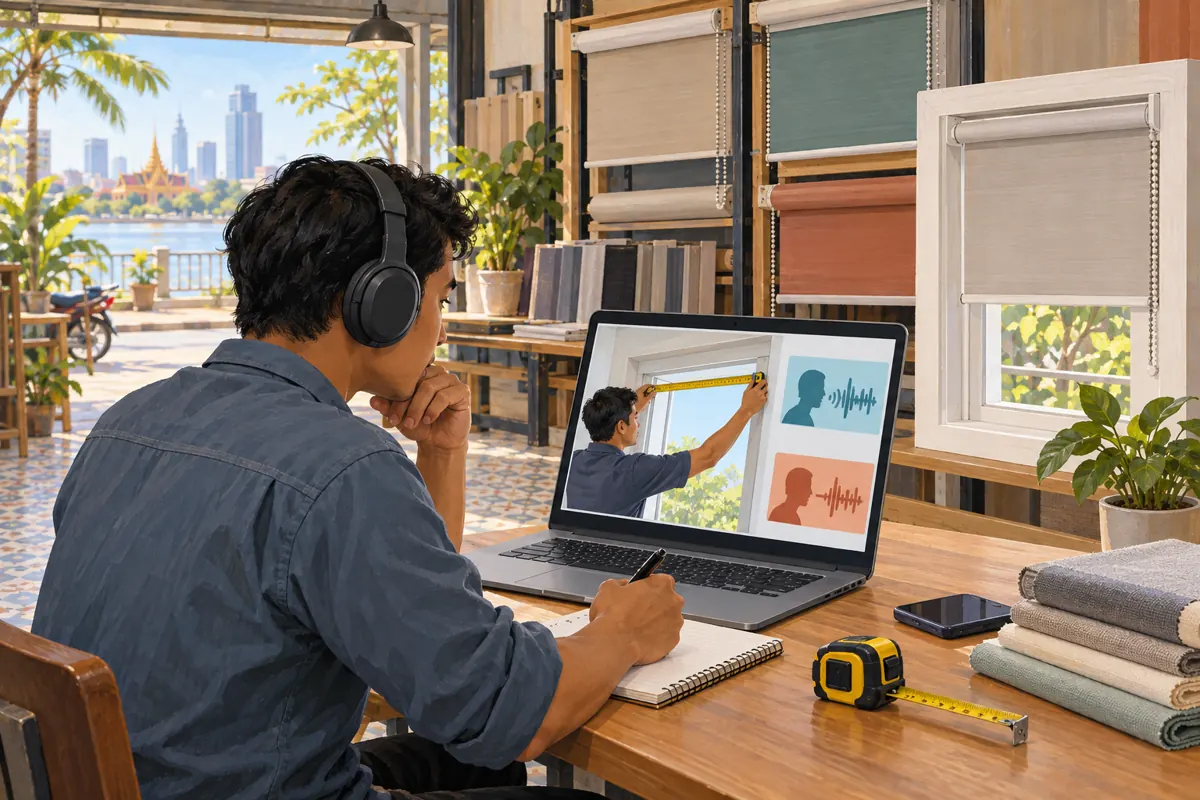
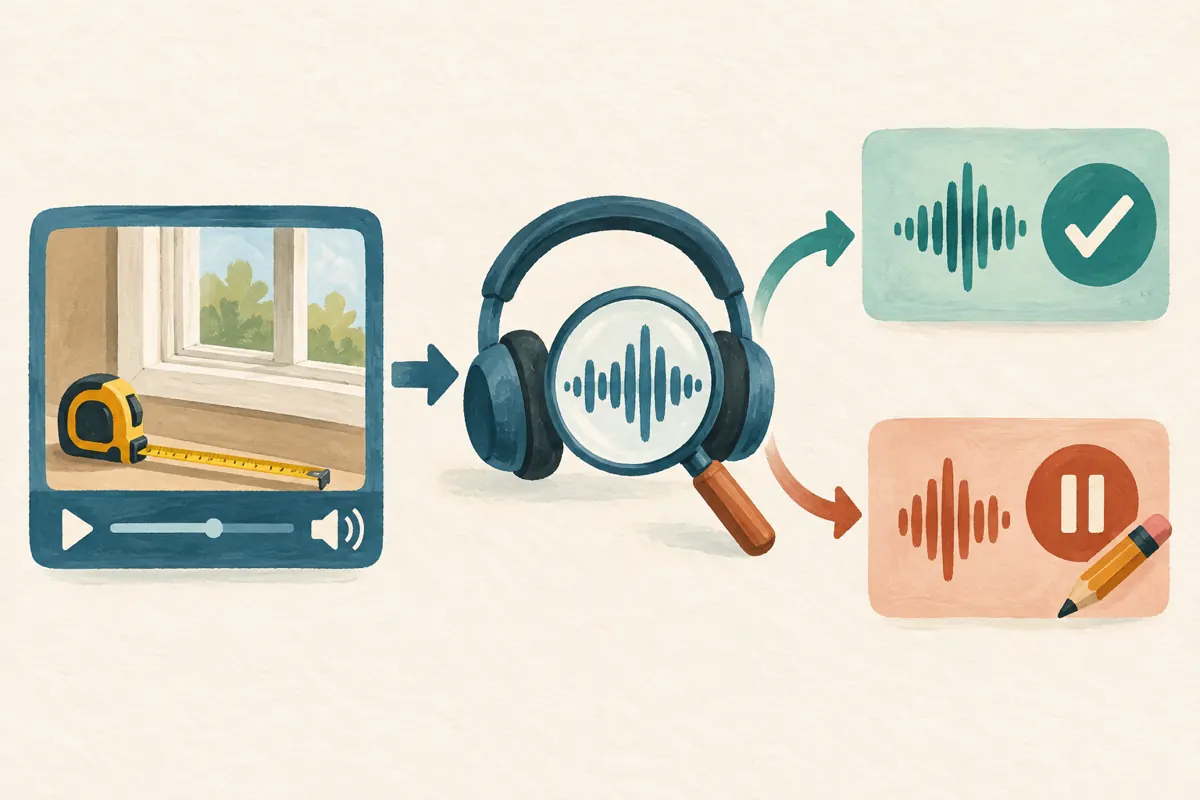
A window-blind demonstration can look correct while its translated voice gives the wrong instruction. The installer points inside the window recess, but the listener hears a phrase suggesting the outer frame. Before a Cambodian shop shares that video more widely, someone needs to check what a customer would actually understand and do. This guide offers a practical review process for YouTube automatic dubs: establish the intended instruction, compare the audio with the picture, test comprehension, and decide which language versions are ready. It also explains why an SMM service record or a collection of positive comments cannot establish that a translated demonstration is accurate.
1. Choose the customer task before choosing a language
Start with the action the demonstration should support. Is the viewer identifying a mounting style, collecting preliminary measurements, or requesting an installation visit? These require different explanations. For a first enquiry, a shop might ask for a window photograph and approximate opening dimensions. That does not mean the customer has supplied a final manufacturing specification. Make this boundary explicit in the script and repeat it in the enquiry instructions.
Consider a hypothetical Phnom Penh blind installer serving Khmer-speaking households and some customers who prefer English. The shop has an English demonstration and wants to assess any additional audio tracks available for it. Its objective is understandable local enquiries, not the largest possible language list. Choose review priorities from actual customer communication needs. An unfamiliar language is useful only when someone can check it and the business can handle the resulting conversation.
2. Check what the individual video actually offers
YouTube’s automatic-dubbing guidance describes generated translated audio and warns that it can contain errors. Availability varies; inspect the individual video’s Languages page rather than assuming a particular language pair exists. Do not promise automatic Khmer audio. Set the original video language accurately. For review control, YouTube documents Settings, Channel, Advanced settings, then Manually review dubs before publishing. These platform details are documented in YouTube Help’s Use automatic dubbing page, listed in the sources.
Make a small working record with the video title, public link, original spoken language, proposed review language, reviewer and decision. Write “unavailable” when the required track is absent and “unchecked” when nobody qualified has listened. Those labels prevent a colleague from treating a planned translation as a finished customer resource. Keep the shop’s website language configuration separate from this video-level editorial decision.
3. Prepare a reference sheet for meaning
Before listening to another language, write down the essential meaning of the original demonstration. Include the object being measured, the start and end points, the unit, and the purpose of the measurement. Identify any condition attached to the instruction: for example, the demonstration may apply only to a particular mounting arrangement. Have the installer confirm this reference sheet. A fluent translation of an unclear original would still leave the customer confused.
Use concrete language on the sheet. “Opening width between these two inside surfaces” is easier to verify than “the width here.” Describe what the presenter touches and what remains outside the measurement. Include the distinction between a sample dimension shown for teaching and a dimension supplied by a customer. The sheet becomes the reviewer’s answer key; it should reflect the actual product and shop process, not a generic installation rule borrowed from another business.
4. Check numbers, units and qualifying words together
A numerical check should cover the whole instruction, not just whether the same digits appear. In a hypothetical demonstration, the presenter reads a sample opening as 120 centimetres. The reviewer should verify the number, unit, measured object and intended use. If the voice describes that value as the finished blind width, the instruction has changed even though the number is unchanged. This example illustrates review technique; it is not a sizing recommendation.
Pay equal attention to small words such as “approximately,” “before,” “after,” “only” and “do not.” A missing qualification can turn preliminary information into apparent approval to order. Record each questionable passage with its timestamp, the original meaning, what the reviewer heard and the possible customer consequence. Avoid vague notes such as “translation sounds strange.” A note explaining that the audio turns a quotation measurement into an order measurement gives the team a clear decision to make.

5. Watch the gesture while listening to the dub
Review the picture and voice together at ordinary playback speed. When the presenter says which edge to use, is that edge still visible? Does the translated instruction arrive while the hand points somewhere else? A listener may attach a correct phrase to the wrong object if the demonstration moves quickly. Pause at every change between opening, frame, bracket and fabric, then replay the surrounding sentence without interruption.
For this review, use a simple three-part comparison: the spoken instruction, the visible action and the likely customer action. All three should agree. If the installer points inside the recess but the listener would measure across the decorative trim, hold that passage for clarification. Also inspect any on-screen dimensions separately. A correct voice does not resolve an incorrect label, and a correct label may be missed by someone concentrating on the spoken explanation.
6. Ask a listener to demonstrate their understanding
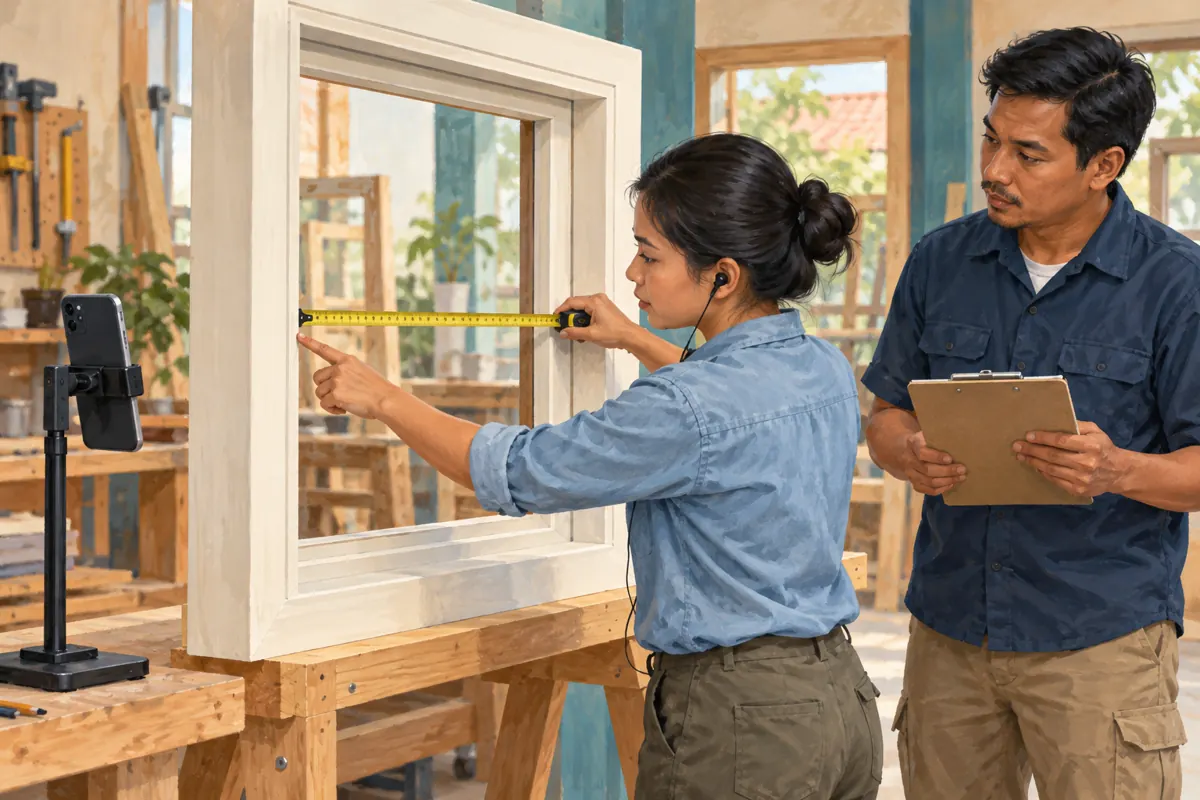
Give a fluent reviewer a short passage and ask them to explain the instruction in their own words. Better still, provide a sample window frame or an uncomplicated drawing and ask them to point to the measurement endpoints. Do not begin by telling them which interpretation you expect. Their first response can reveal an ambiguity that disappears once an experienced installer starts coaching them.
In a hypothetical workshop check, the reviewer correctly repeats the number but places the tape against the outside trim. The review has found a practical misunderstanding, even if the wording sounds natural. Record the response and examine whether the source script, translated audio or visual demonstration caused it. One successful listener test is useful editorial evidence, not proof that every viewer will understand. Use it to improve the explanation and identify passages needing closer professional language review.
7. Keep local enquiry details in the review
Measurement vocabulary is only part of a useful Cambodian promotion. Listen for place names, collection arrangements and the difference between a quotation request and a confirmed appointment. A demonstration should not imply that an installer visits every province if the shop has a narrower service area. Likewise, a sample turnaround mentioned during filming should not become an unconditional promise in a later promotional message.
Prepare one approved next step for each reviewed language version. For example, the business could request a window photograph, the customer’s area and a preferred contact language before discussing a visit. Ask only for details needed at that stage. Keep private addresses and customer photographs out of public review examples. The staff member receiving enquiries should know which demonstration the customer saw and which details still require confirmation before a quote or booking.
8. Decide whether to release, hold or withdraw
YouTube says automatic dubs cannot be edited directly. Its Languages controls allow publishing, unpublishing or deleting tracks; an unpublished track can be republished later. Use the current controls shown for the video. These options are described in the same automatic-dubbing Help page. Treat the review decision as specific to one language track, rather than approving every version together.
For an internal decision rule, release a track only when the important instructions are understood and the enquiry promise remains accurate. Hold it when a unit, endpoint or commercial condition is uncertain. If the original explanation itself is misleading, revise the underlying customer resource before promoting it further. When a problematic version has already been shared, identify the affected passage and provide a clear correction to people whose enquiries may depend on it. Preserve the review notes so another staff member can follow the reasoning.
9. Apply an SMM decision gate before spending
The supplied public catalogue includes “Youtube Comments ~ AI Generated Comments Based on Video/Short/Livestream Content ~ 10k/Days ~ Instant ~ 𝐍𝐎 𝗥𝗘𝗙𝗜𝗟𝗟”. Its name presents it as an AI-generated comment offering, but no description was supplied. The title is not verification of delivery speed, comment quality or suitability. Such comments cannot substitute for a fluent reviewer checking whether a listener measures the correct surface.
YouTube’s Fake engagement policy prohibits artificial increases in engagement and says a hired promoter’s actions can affect the channel. Reject a proposed method that artificially inflates comments, likes or views. Purchased engagement is not evidence of genuine interest, sales, ad delivery or Cambodian users. For this task, direct the working budget toward accurate explanation, qualified language review and promotion that complies with platform rules. Keep any existing panel delivery record separate from evidence about customer understanding.
10. Check the released version from the viewer’s side
YouTube’s viewer guidance says that, where other audio is available, viewers can use the player’s Settings, Audio track menu to choose a language. Preferred-language settings can also influence the audio they hear. Test the intended track explicitly instead of assuming that opening the same link reproduces every customer’s listening experience. The supporting page, Watch videos in your preferred language, appears in the sources.
On a phone, listen through the complete measurement passage and follow the enquiry instructions as a prospective customer would. Check whether the video still makes sense without knowledge of the workshop discussion. Record the language selected and the date checked. After a substantive content change, revisit the affected instructions. Keep the review focused: a change to the collection location needs a location check, while a change to the measurement method requires a fresh technical and language review.
11. Learn from questions without overstating results
During the next review period, note genuine enquiries that reveal misunderstanding. Useful categories include wrong measurement endpoints, missing units, confusion about mounting style and uncertainty about service coverage. Record the customer’s question without turning it into a testimonial. If someone volunteers which audio language they used, include that context; do not guess their language or location from their name.
Common mistakes include approving a pleasant voice without checking meaning, treating correct numbers as a complete review, and assuming a growing comment count confirms comprehension. Another is answering every confused customer privately while leaving the same ambiguity in the public demonstration. Assign an owner to recurring questions and decide whether they call for a clearer shot, a revised instruction or a separate explanation. Compare observations cautiously when the number or type of enquiries changes.
Frequently asked questions
Should a Cambodian shop expect every demonstration to receive a Khmer dub?
No. Check availability for the actual video before offering customers a Khmer audio version. If the needed language is unavailable, plan a separately reviewed explanation in that language. Do not advertise a future translation as something viewers can already select.
Is a bilingual employee enough to approve a measurement demonstration?
They may be a suitable language reviewer, but technical understanding matters too. Pair language judgment with the installer’s approved reference sheet. If the employee cannot confidently explain the mounting terms or measurement endpoints, involve someone who can resolve those details before approval.
Can we keep an inaccurate dub because the picture shows the right measurement?
A customer may rely primarily on the voice, especially on a small screen. Treat contradictory audio and imagery as a failed review. Resolve the discrepancy before directing more viewers to that language version, and check whether anyone already received advice based on the incorrect instruction.
Do positive comments show that the translation is understandable?
They can provide context when they come from genuine viewers, but praise alone does not test a specific instruction. Ask what the listener understood and where they would measure. AI-generated or purchased comments cannot establish language accuracy, local demand or successful customer comprehension.
What should we review first when staff time is limited?
Prioritize passages that could change an order: dimensions, units, mounting conditions, exclusions and booking promises. Review the most relevant customer language first. Keep other versions pending until someone can assess them, rather than recording an incomplete listen as approval.
Explore the current service catalogue, create an account, or ask a specific question through support tickets.
- YouTube Help: Use automatic dubbing
- YouTube Help: Watch videos in your preferred language
- YouTube Help: Fake engagement policy
Prepared with AI assistance. Illustrations explain the workflow and do not represent customer results.