20/10/2026 20:05
Which Fabric Won Before the Cutoff? Timed Telegram Polls for Cambodian Apron Shops
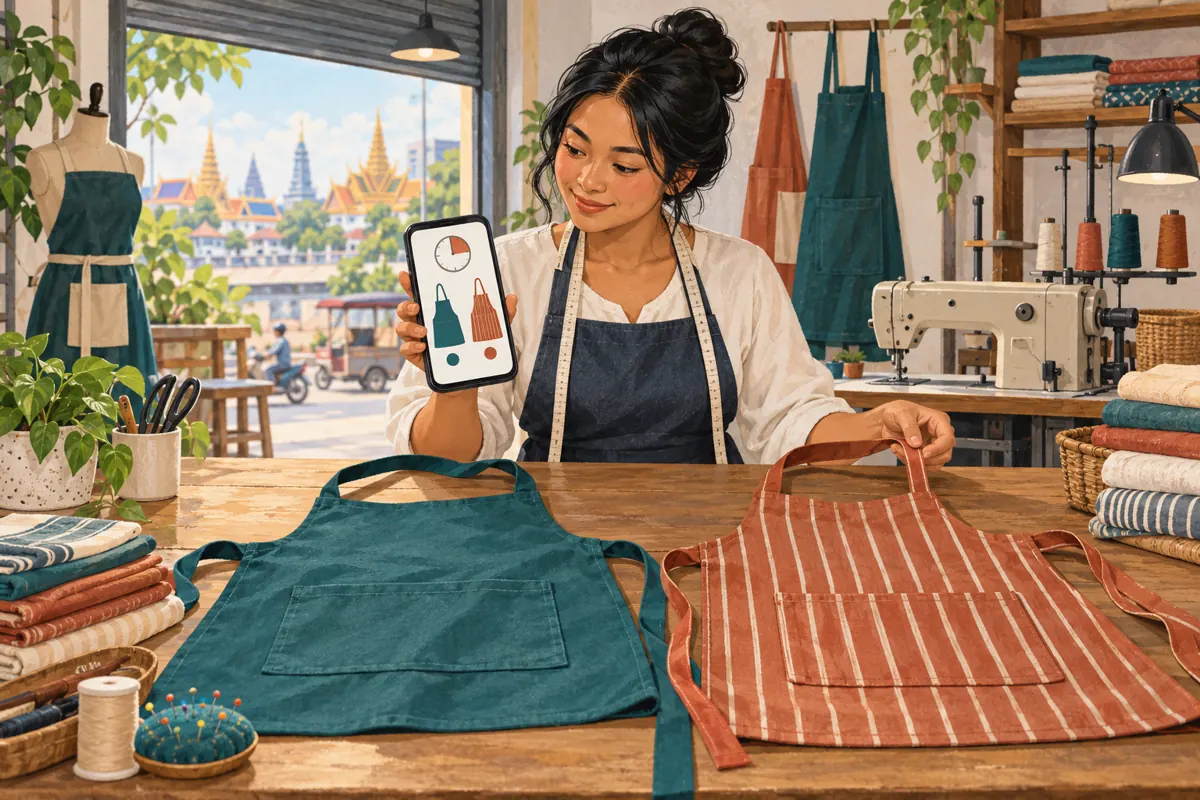
A fabric poll can give a Cambodian apron shop a useful reason to start a conversation: which material should appear in the next demonstration? Trouble begins when the workshop starts cutting while voting is still open, or staff describe the leading option as a confirmed customer order. A clear closing time makes the feedback easier to use. This workflow connects a small promotional poll to one practical decision: choosing a sample to demonstrate. It also explains how to keep any SMM panel activity separate from customer preferences, so a change in a public counter does not become an unsupported production forecast.
1. Give the poll one limited job
Start by deciding what the result can change. For an apron workshop, a sensible question is which available fabric to use for the next pocket demonstration. That decision is inexpensive enough to revisit and specific enough for viewers to understand. Avoid asking whether the shop should buy a large fabric shipment unless you have separate evidence about demand, costs and confirmed orders.
Consider a hypothetical workshop in Phnom Penh choosing between plain teal and rust-striped material. Both are already available, and either can be made into the same apron design. The poll chooses which sample gets filmed first. It does not determine a production quantity, reserve fabric for voters or establish a selling price. Write that boundary before drafting the question; it will guide the settings, reminder and final announcement.
2. Work backward from the workshop decision
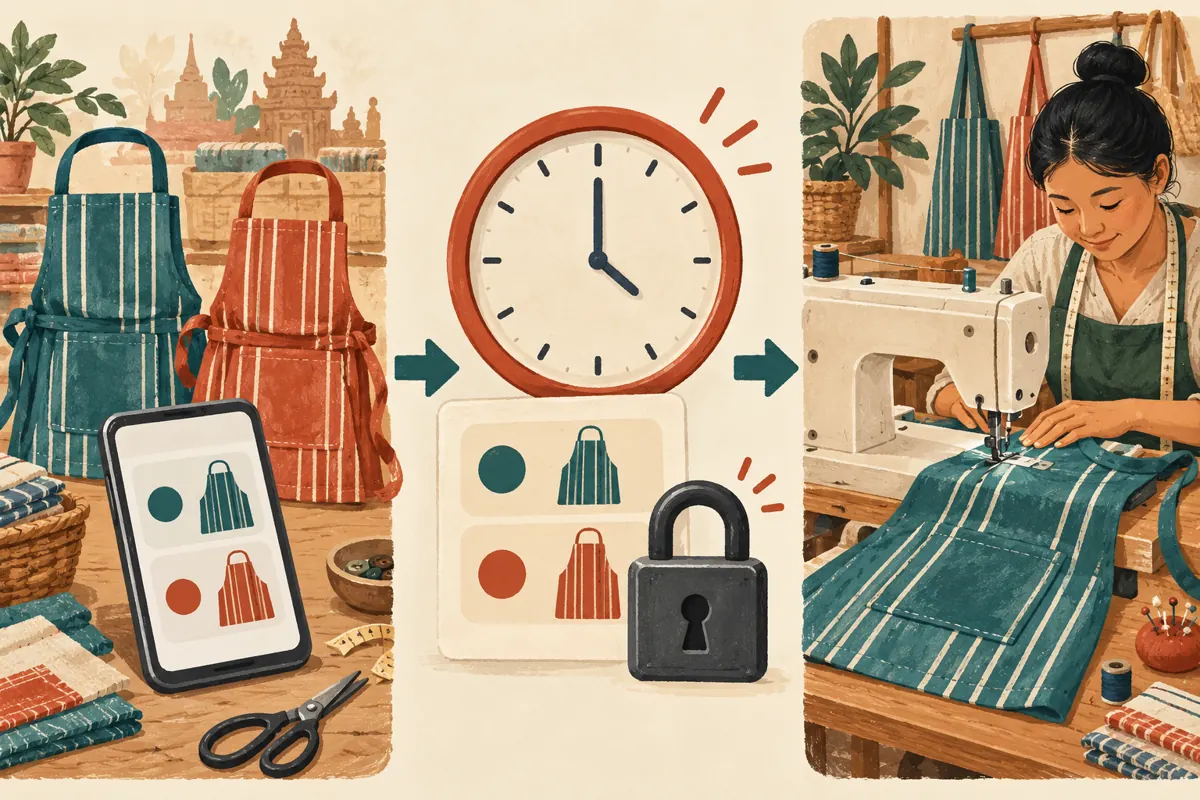
Choose a closing time that leaves someone available to review the result before cutting begins. If the sample maker needs instructions the following morning, do not close voting after that person has already started work. Leave room to check stock, resolve a tie and prepare a short explanation. The deadline should serve the workshop schedule, rather than create artificial urgency.
In the hypothetical example, the shop might announce a Wednesday afternoon cutoff using a full date, time and the words Cambodia time. Use the same wording in the introduction and reminder. Avoid relying only on today, tomorrow or tonight, because a forwarded message may be read later. Name one staff member to verify closure and one backup who understands the decision rule. A timer cannot decide whether the winning material is still usable.
3. Make the choices comparable
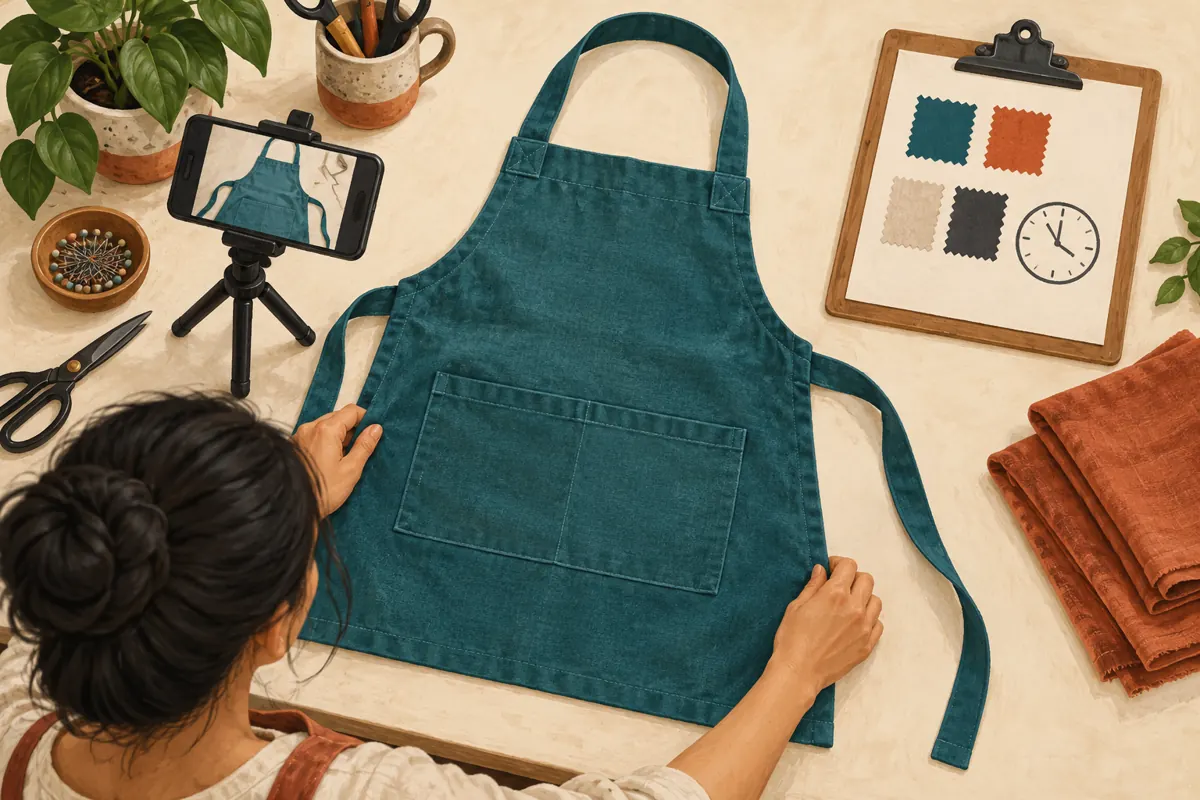
Show the materials under similar lighting, at the same scale and against the same background. If one option appears as a finished apron while the other is a dark photograph of folded cloth, people may be choosing presentation quality rather than fabric. Include enough detail to distinguish a stripe from a fold or shadow. State any relevant difference you have actually checked, rather than inventing durability or comfort claims.
Keep the question tied to the promised action: which fabric should we use for our next apron-pocket demonstration? Give each option a short, stable name that staff can repeat in the follow-up. For a Khmer-speaking customer group, prepare the customer-facing wording in clear Khmer and have a fluent colleague check the meaning. This English planning guide does not imply that the shop should change its channel language. Avoid mixing a fabric preference with price, size and delivery questions.
4. Configure and test the closing behavior
Telegram’s official March 2026 update documents poll time limits, the ability to hide results until time expires, and a setting that disables revoting. These controls support different purposes. For this sample-selection exercise, consider hiding interim results and allowing people to reconsider before the deadline. Choose deliberately instead of assuming the defaults match your announcement.
Create a short test in a staff space before publishing the customer poll. Check the available settings in the app you actually use, confirm how the duration is presented, and observe what happens when the test expires. If the app asks for a duration, calculate it from the intended publication time. A delayed launch can otherwise move the cutoff away from the time written in your message.
Keep a manual closure plan as a backup. Telegram’s official translation catalogue includes the Stop Poll command. Locate the control on your device in advance and check that the responsible account can use it. After closure, verify the displayed state rather than assuming that the written deadline alone stopped participation.
5. Explain participation before inviting it
Publish a short introduction with the decision, deadline and limitation together. A hypothetical English version would say: Help us choose the fabric for our next apron-pocket demonstration. Voting closes at the stated Cambodia-time deadline. We will make one demonstration sample; voting does not place an order. Translate that meaning naturally for the intended readers rather than squeezing several unrelated offers into the same message.
Telegram documents that polls can be forwarded and pinned. Use those options thoughtfully: share into a relevant space only where promotion is welcome, and retain the explanatory context. A fabric choice circulated far beyond your customers may still be interesting feedback, but it is less useful for judging local purchasing preferences. Give one neutral reminder near the cutoff if appropriate. Do not urge people to support a preferred option or promise a reward that the shop has not prepared.
6. Keep SMM services outside the preference decision
The supplied catalogue includes the exact public service name Telegram - Views ~ 20 FUTURE POST. Its category describes bot-account future-post views, while the description field is empty. That identifies a views-related listing, but it provides no basis for claiming genuine customer attention, Cambodian viewers, poll participation or sales. The title alone also leaves operational questions unanswered, including which future posts would qualify and how any coverage would end.
For this workflow, the clearest choice is to leave the research poll outside purchased engagement activity. If a future-post service is already involved in the channel, establish its documented scope before treating the poll as a clean observation. Do not assume a particular post can be excluded or an existing order can be paused. Keep the service record alongside the campaign notes and flag uncertainty when interpreting public counters.
A views listing is not a poll-vote service, and the brief does not establish that a suitable voting service exists. Purchased engagement is not evidence of genuine interest, sales, ad delivery or Cambodian users. Choosing no panel order is a valid decision when the business question requires voluntary customer feedback.
7. Close, record and handle exceptions fairly
At the cutoff, check that voting has ended and record the result with the poll question, option names and actual review time. Keep the original context attached to the record. If closure happened late, say so internally and avoid presenting the result as though it was captured exactly on schedule. Do not silently discard votes you dislike or claim that every participant was a customer.
Decide the tie rule before launching. The hypothetical shop could choose the material already prepared for cutting, provided that rule was disclosed. If participation is too limited to guide the decision, describe the exercise as inconclusive and choose a sample on practical grounds. If the preferred fabric becomes unavailable, explain the stock issue. Any replacement poll should have its own question and deadline; it should not be presented as a continuation with identical conditions.

8. Turn the outcome into an honest demonstration
The follow-up should show what the shop actually did. Photograph the selected sample, identify the fabric and explain the feature being demonstrated. A hypothetical announcement could say that teal led among participants in this poll, so the workshop used it to demonstrate pocket placement. That is more accurate than claiming Cambodia’s favourite apron or suggesting that the result proves strong market demand.
Invite a separate enquiry from anyone who wants an apron. Ask for the information needed to respond, such as intended use, quantity and required size, through the shop’s established contact route. Confirm availability and terms through the normal ordering process. Do not treat a vote as permission to reserve stock or as a payment commitment. The promotional value comes from completing the promised demonstration and making the next step understandable.
9. Review usefulness without overstating causation
Review whether the poll helped the team make its limited decision and whether the demonstration answered a real question. Keep observations in separate categories: preferences expressed in the poll, questions received about the sample, and orders actually confirmed. A person can enjoy voting without needing an apron. A buyer can also order without participating, so the poll should not become the only explanation for later sales.
Record the circumstances that could affect interpretation: where the invitation was shared, whether both options had comparable photographs, any stock changes, and any SMM activity associated with the channel. Avoid calculating an impressive-looking conversion rate from counters that do not describe the same people or time window. For the next exercise, improve one weak point, such as unclear fabric labels, rather than changing the question, imagery and participation rules all at once.
10. Prevent the mistakes that undermine a deadline
Extending the poll because a preferred fabric is losing makes the stated cutoff unreliable. Closing early without explanation creates the same problem. If an operational issue genuinely requires a change, announce it clearly and preserve the original result context. Another common mistake is leaving an old promotional reminder circulating after closure. Make the follow-up easy to find and stop sharing invitations that imply voting remains open.
Do not announce the winner before checking the final state, purchase fabric solely from vote totals, or contact visible participants as though they have ordered. Avoid describing low participation as rejection of the product; people may simply have missed the message or found the question irrelevant. The most useful result may be a clearer demonstration plan and a better customer question. Those are worthwhile outcomes even when the poll does not justify a larger commercial decision.
Frequently asked questions
Should we hide the results until the poll closes?
Consider it when you want people to choose without watching a running leader. Telegram documents this option for timed polls. It does not make the sample representative or prevent all influence. Clear choices, fair images and honest interpretation still matter.
What if someone asks to vote after the deadline?
Thank them and record their preference separately as later feedback. Keep the closed result intact. If the shop needs another decision, run a clearly identified new poll rather than combining late messages with the original totals without explanation.
Can the winning fabric become our next stock purchase?
It can inform further investigation, but it should not determine a purchase by itself. Check enquiries, confirmed requirements, supplier conditions and the cost of unsold material. A preference for a demonstration does not establish willingness to buy at a particular price.
Does a future-post views order make the poll more reliable?
No. The supplied listing does not establish voluntary participation or customer identity. Additional views cannot validate a preference result. If such activity overlaps the poll, record it and avoid interpreting the public view counter as the size of a verified Cambodian customer audience.
What should we do if the timer setting is missing?
Check the current official app and rehearse the controls available to your account. If automatic closure cannot be verified, use a clearly announced deadline with an assigned person who has tested manual closure. Do not promise automatic behavior that your team has not confirmed.
Explore the current service catalogue, create an account, or ask a specific question through support tickets.
- Telegram: AI Editor, Mighty Polls, Live Photos, Bots Managed by Bots, and More
- Telegram: Polls — Bringing Choice to Communities
- Telegram Translations: Stop Poll
Prepared with AI assistance. Illustrations explain the workflow and do not represent customer results.